Blog

  • Lines, Layers, & Legacy

    Lines, Layers, & Legacy

    A line is never just a line. Its thickness, direction, and placement carry intention. Layers add depth—not only visually, but culturally and historically.

    Design details often inherit meaning from past movements, technologies, and traditions. When designers build upon these layers, they contribute to a living legacy.

    Every visual choice becomes part of a larger design lineage.
  • Designed by Culture

    Designed by Culture

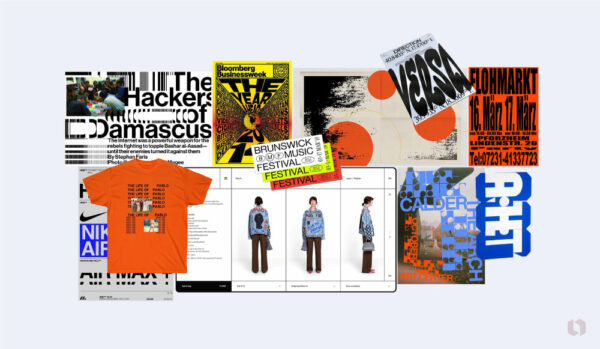
    Design is never neutral. Every color choice, grid system, and visual hierarchy is influenced by cultural context. What feels “clean” in one culture may feel empty in another; what feels bold in one region may feel excessive elsewhere.

    From Japanese minimalism to Middle Eastern ornamental patterns, culture informs how people interpret space, symbols, and aesthetics. Designers who understand cultural context create work that resonates deeper and avoids visual miscommunication.

    Design, at its best, becomes a mirror of collective identity.

  • Culture in Composition

    Culture in Composition

    Composition guides the viewer’s eye, but it also reflects how a culture sees the world. Hierarchy, symmetry, and spacing often mirror societal values—order, freedom, authority, or community.

    From editorial layouts to architectural plans, composition reveals unspoken cultural priorities. Studying these structures helps us decode meaning beyond the surface.

    Design becomes a cultural document written in visual form.

  • The Craft of Meaning

    The Craft of Meaning

    Beyond beauty and function lies meaning. Art and design become powerful when they communicate ideas, values, and emotions that endure.

    This craft of meaning requires intention, cultural awareness, and empathy. Whether through symbolism, material choice, or narrative, creators shape how their work is interpreted and remembered.

    At this intersection, creativity transforms into cultural contribution.

  • Unspoken Aesthetics

    Unspoken Aesthetics

    Much of what influences us visually operates below conscious awareness. Spacing, tone, texture, and rhythm communicate before we have time to analyze.

    These unspoken aesthetics shape how we feel about brands, spaces, and art itself. Designers who master subtlety create work that feels intuitive rather than forced.

    The quiet details often speak the loudest.

  • The Human Palette

    The Human Palette

    Behind every artwork is a human story. Art movements do not emerge in isolation—they are shaped by social change, political struggle, and personal identity.

    Color choices often reflect emotion and circumstance: bright palettes during periods of optimism, muted tones during unrest. Design becomes a record of collective experience.

    By studying the human palette behind creative work, we better understand both the art itself and the people who created it.

  • Context Is the Canvas

    Context Is the Canvas

    Art does not exist in a vacuum. A painting, poster, or building gains meaning from the time, place, and conditions in which it was created.

    Political climates, economic realities, and cultural norms all shape creative decisions. Without context, art risks being misunderstood or reduced to surface-level aesthetics.

    Viewing context as part of the canvas allows us to read art more accurately and respectfully.

  • Visual Echoes

    Visual Echoes

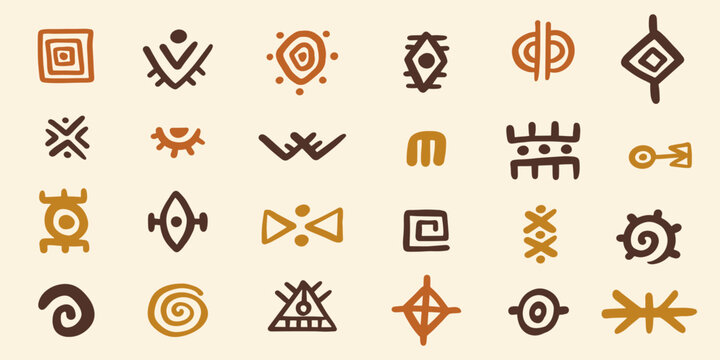
    Certain visuals refuse to disappear. Spirals, circles, grids, and sacred geometry appear in ancient art, modern logos, and digital interfaces alike.

    These visual echoes transcend geography and time, suggesting a shared human instinct for pattern and meaning. Whether spiritual, functional, or aesthetic, these forms connect contemporary creativity with ancient expression.

    Recognizing these echoes deepens our appreciation of modern design as part of a much older visual conversation.

  • The Aesthetic Divide

    The Aesthetic Divide

    Every era experiences an aesthetic divide. On one side lies tradition—symmetry, heritage, and familiar beauty. On the other, disruption—experimentation, distortion, and rule-breaking.

    Modern design frequently challenges cultural norms, questioning what beauty should look like and who defines it. From brutalist architecture to experimental typography, rebellion often emerges as a response to comfort and predictability.

    This divide is not a conflict to be resolved, but a dialogue that pushes culture forward, shaping new visual identities along the way.

  • Between Form & Feeling

    Between Form & Feeling

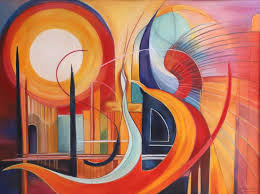
    Art is often discussed in terms of form—composition, balance, technique—but its true power lies in feeling. A single curve can suggest softness, tension, or movement. A muted palette can whisper grief, while sharp contrasts may shout urgency.

    Across cultures, artists and designers have relied on visual language to communicate emotions that words fail to capture. From abstract expressionism to minimalist architecture, the relationship between form and feeling defines how we experience creative work.

    Understanding this connection allows us to see art not just as an object, but as an emotional exchange between creator and viewer.